Home > Blog > Spotlight on YAFies: Becky Baker
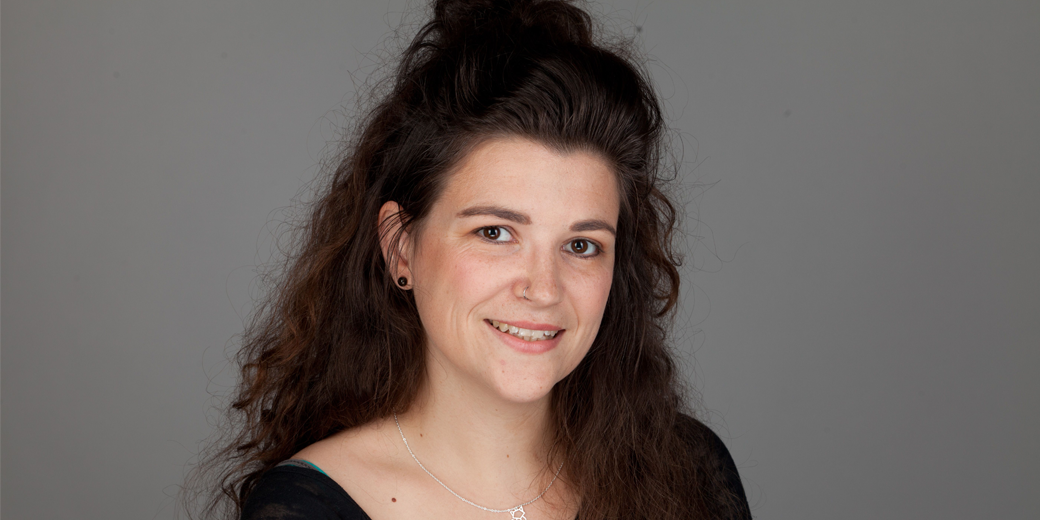
Spotlight on YAFies: Becky Baker
Posted on 26/05/2021, BY HKYAF
Subscribe to our Blog Via Email
Enter your email address to follow this blog and receive notification of new posts by email...
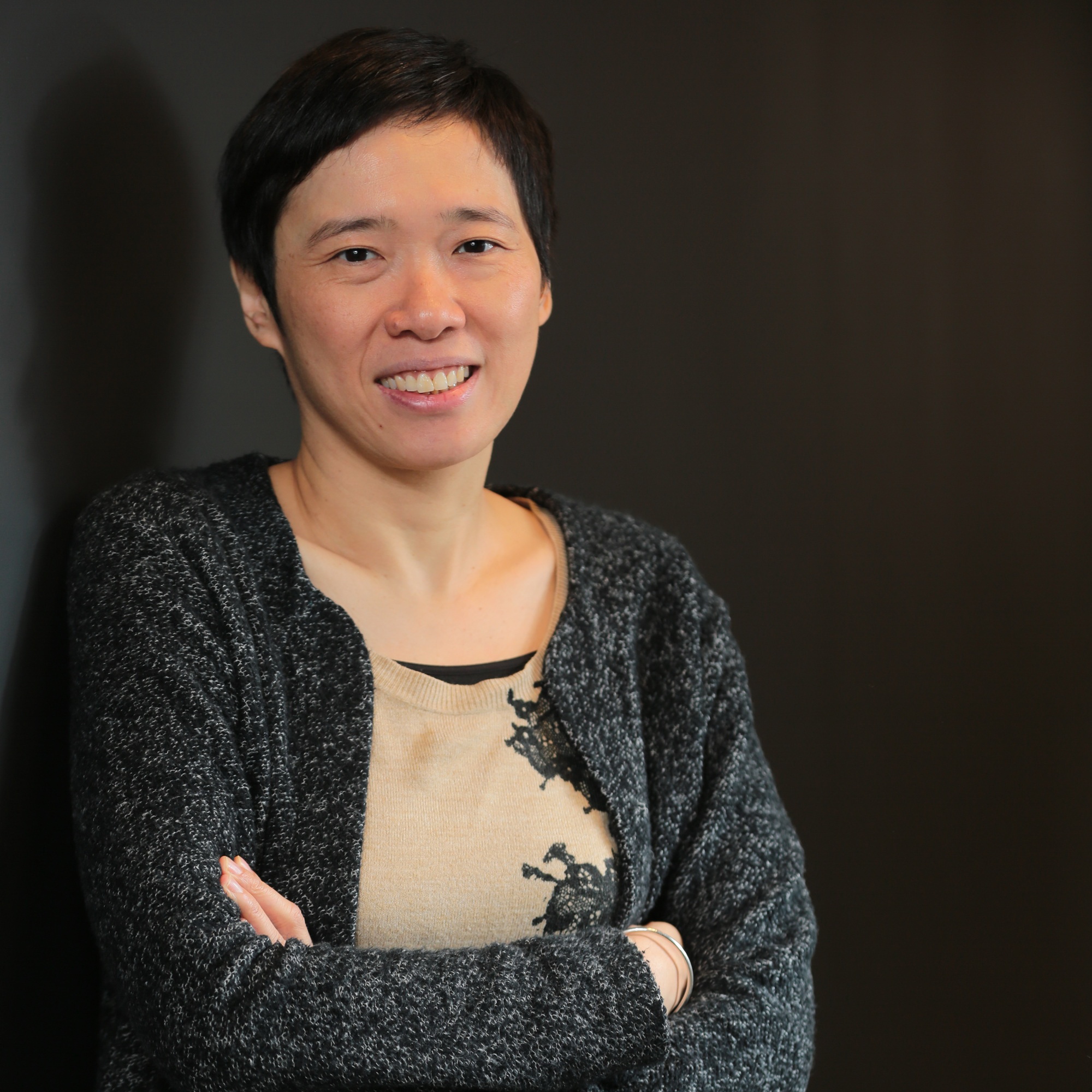
Director of Pull Back the Curtain 2021
What brought you to Hong Kong to develop your career?
During my time studying at The Royal Central School of Speech and Drama from 2007 to 2010, I carried out a work placement with New Earth Theatre, a ground-breaking company that specialises in making inclusive theatre for and with the South East Asian community across the UK. It was here that I fell in love with South East Asian stories, arts and heritage. As soon as I graduated, I hopped on the first plane to Hong Kong and have lived and worked between our beautiful city and the rest of the world since!
Why did you choose leading figures in the 20th century as the theme for Pull Back the Curtain 2021?
I chose this theme because it offers so much scope in the way of creative stimulus and explores and celebrates the cultural revolution society has witnessed throughout the 20th century. From the rise of technological advancement to the burst of colours and cultures celebrated through music and fashion, there are so many icons from this era that have risen to the surface and pioneered creative expression whose stories we still must learn.
Which figure gives you the most inspiration and why?
This is a difficult question to answer! I take inspiration from lots of different people and sources raging from activists, feminists, scientists and artists. The person that gives me the “most inspiration” changes on a rolling basis, depending on what project I am working on at the time!
At the moment, however, I am engaging in a lot of Margaret Atwood-based literature and her masterclass on creative writing and storytelling has been very useful for my own development as a writer. She is a literary genius. I am very inspired by how her 1980s dystopian novel The Handmaid’s Tale has, in recent years, become a serious cultural phenomenon and iconic in raising awareness of women’s rights across the world.
What are the steps to create a theatre piece?
Well, there are many ways, theories and philosophies that I have tried and still try to articulate this very question! And the truth is, there isn’t just one “correct” answer. There are many devising techniques that can be used to create wonderful and diverse theatre pieces that have been trailed by theatre practitioners and directors throughout history; some of which we will explore in the workshops during Pull Back the Curtain!
I would say the first step to creating a theatre piece would be to find a story, theme or idea, such as a social issue that you feel passionate about that you want to bring alive and draw light to it on the stage. Once you have this stimulus and the drive to put on a show, the rest will fall into place!
And what is the most challenging part of creating a theatre piece?
I find that the most challenging part of creating a theatre piece is dealing with the temporal nature of live performances and having to let them go at the end. There are always tears from the cast and crew when wrapping up a performance project that is both a uniquely wonderful and devastating sensation at the same time!
The beautiful thing about theatre is the live element, seeing the actors and performers up close; the intimacy of the audience sitting there while the actors engage them. Sure, these days we can film theatre in a way that makes it both engaging to watch and feel cinematic. But there is nothing quite like being there in the space, showing the audience your artwork that you have exhausted yourself to bring to them. Since that luxury, over the last 18 months because of COVID-19, was taken from us, I think theatre makers around the world have struggled with the dissipated nature of theatre making and are now even more impassioned to get back into the rehearsal spaces and on the stages around the world!
Tell us about the most unforgettable theatre production you’ve seen.
The most unforgettable theatre production I have ever seen was Shun-kin; an international collaboration created with Japanese actors from Tokyo's Setagaya Public Theatre and the UK’s theatre company Complicite, performed at the Barbican Theatre, London, in 2009. Based on the original Japanese tale of the same name, the piece is a tragic story of the forbidden love between Shunkin – a blind shamisen player – and her servant, who ultimately sacrifices his own sight in order to experience the same dark world in which she lives.
The piece uses contemporary storytelling practices such as physical theatre mixed with mask work, puppetry and traditional music. It was a feast for the eyes and tugged at the old heartstrings. I often think of the delicate intricacies of this piece when creating my own work.
What does it take to become a successful scriptwriter?
Tell the story you want to tell; don’t necessarily tell the story you think others want to hear. Try not to worry about who your audiences are. The best stories are written to be enjoyed by anyone and everyone, not just specific demographics. Sticking true to the heart of what you know always makes for the strongest script writing. That doesn’t necessarily mean we can only tell stories of what we have personally experienced. But it does mean that if you care about the issues and topics that you are raising through your writing, your writing will be stronger, clearer and more engaging.
What can young people do to boost their creativity?
Read as many books as you can. Challenge yourself with different genres that you wouldn’t necessarily immediately choose. Watch as much theatre or visit as many galleries as your time will allow for. There are plenty of free plays available to watch online through platforms such as National Theatre at Home and Digital Theatre Plus. Ask your drama teachers if you have access to such resources through school. Play games, draw pictures inspired by what you can see, smell, taste, hear and feel around you. Make mistakes! Through failing at one thing, we make way for another. Don’t be afraid to get it wrong. That’s why we call it a rehearsal.
If you can have any superpower, what would it be and why?
If I had a superpower, it would be a toss-up between being able to travel through time and being able to speak to animals. Or ideally, combining both and working to protect the extinction of endangered species by giving them tips on how to avoid poachers.
Tell us about your favourite book.
My favourite book is Northern Lights by Philip Pullman. I love this book because not only is it hugely creative and colourful, but Pullman has the ability to write exciting and diverse worlds and layered characters that move beyond and between “good and evil”. The story poses big philosophical questions in digestible and engaging ways that are suitable for all. The trilogies are often marketed as YA (young adult) fiction. However, as an OA (older adult), I thoroughly enjoy reading them! I am currently re-listening to the whole His Dark Materials trilogy on audiobook before starting the second trilogy, The Book of Dust.
See YAF blog
1/08/2025
Spotlight On YAFies: Zoe Wong

1/10/2024
Spotlight On YAFies: Lola Clavel and Stephanie McNicol
1/06/2023
Spotlight On YAFies: Molly Wong
1/05/2023
Spotlight On YAFies: Karen Pow
1/04/2023
Audition Tips for Actors
1/04/2023
Auditions Tips for Dancers
1/03/2023
Spotlight on YAFies: Chao Harn-kae
1/02/2023
Spotlight on YAFies: Kessay Chan
15/12/2022
Spotlight on YAFies: Wendy Tsang
1/12/2022
Spotlight on YAFies: Christopher Chung
Comments